With the massive outpouring of support for the protests at Standing Rock, and the significant defunding of the Environmental Protection Agency (EPA), the issue of preserving our natural resources has recently been front-and-center in the national debate in the United States.
But, while it appears industry has gained the upper hand in the US for the time being — with nature suffering the consequences — a unique method to protect the environment is emerging in several other countries around the world that should give Americans pause for thought: placing mother earth on equal legal footing as humans, with the same “rights and interests.”
Legal Personhood and the Whanganui River
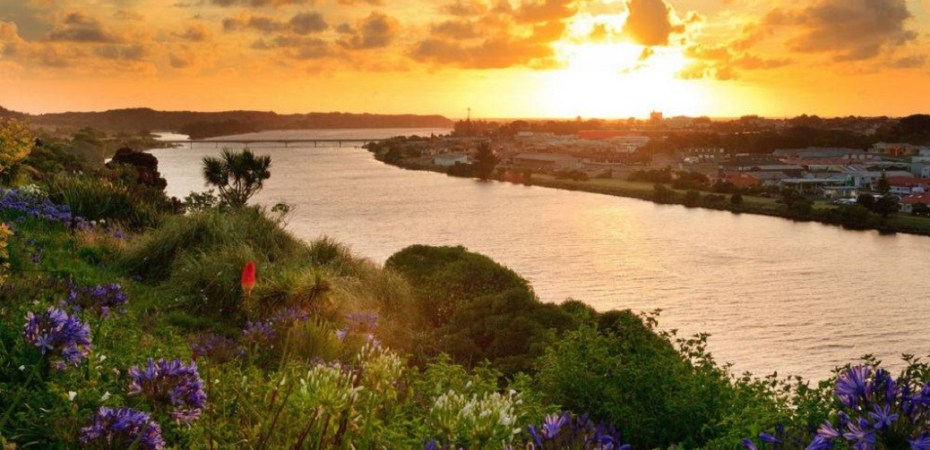
The third-longest river in New Zealand — known as Te Awa Tupua to the indigenous Maori people — the Whanganui flows approximately 321 km from the Hawkes Bay area in the northern region of the country, down to the Tasman Sea. It’s also the first river in the world to be granted the legal status of personhood.
The river will be represented by two spokespersons — one appointed by the iwi, and another by the government.
“I know the initial inclination of some people will say it’s pretty strange to give a natural resource a legal personality,” said Chris Finlayson, the minister who negotiated the treaty. “But it’s no stranger than family trusts, or companies or incorporated societies.”
As part of the settlement, $28 million will be allocated for the rejuvenation of the river and $75 million in financial redress to the iwi involving historical claims.
“Whanganui River iwi have sought to protect the river and have their interests acknowledged by the Crown through the legal system since 1873. They pursued this objective in one of New Zealand’s longest running court cases.
“Today’s agreement which recognizes the status of the river as Te Awa Tupua (an integrated, living whole) and the inextricable relationship of iwi with the river is a major step towards the resolution of the historical grievances of Whanganui iwi and is important nationally,” said Finlayson.
After the river law was passed by the NZ parliament, a group of Maori and their supporters who attended the parliamentary chambers sang a traditional waita folk song, in celebration of the landmark decision.
The 11 rights for nature include: the right to life and to exist; the right to continue vital cycles and processes free from human alteration; the right to pure water and clean air; the right to balance; the right not to be polluted; and the right to not have cellular structure modified or genetically altered. Additionally, nature will have the right “to not be affected by mega-infrastructure and development projects that affect the balance of ecosystems and the local inhabitant communities.”
“It makes world history. Earth is the mother of all,” said Vice-President Alvaro García Linera. “It establishes a new relationship between man and nature, the harmony of which must be preserved as a guarantee of its regeneration.” [source]
“Natural communities and ecosystems possess the unalienable right to exist, flourish and evolve within Ecuador. Those rights shall be self-executing, and it shall be the duty and right of all Ecuadorian governments, communities, and individuals to enforce those rights.” [source]
Many of us would agree such rights don’t only apply to a few select countries — but the natural world at large. And we may question whether most industrialized nations have approached conservation in the wrong way all along. Instead of challenging industry head-on — like what we’ve seen with Standing Rock or the labyrinthian regulations of the EPA —maybe a more effective method would be to take a cue from countries like those above, and grant firm legal rights directly to nature herself, where she, in all her different manifestations, is protected at the same level as a person and viewed as a living being.
 Openhearted Rebellion
The ecosystem itself can be named as defendant?? That wouldn’t make much sense.
LikeLike